Understanding the Shift to Generative Engine Optimization
The digital search landscape is undergoing a profound transformation, moving beyond traditional "blue link" results toward AI-generated answers. This shift necessitates Generative Engine Optimization (GEO), a strategic approach focused on achieving visibility within AI-generated summaries, direct answers, and curated content. Modern search engines leverage advanced AI models to synthesize information, presenting users with concise, authoritative responses that often cite sources directly. This shift fundamentally alters how brands establish an online presence.
Visibility is no longer solely about ranking for keywords; it is about being deemed a credible source by AI systems. Consequently, brand authority GEO has emerged as the primary currency for modern search visibility. AI prioritizes established, trustworthy entities that consistently publish high-quality, validated content across their digital footprint. Brands must cultivate a reputation as an expert, ensuring their content is not just discoverable but also highly citable by generative AI. As discussed in Generative Engine Optimization importance, understanding this paradigm shift is crucial for sustained digital relevance.
Bridging the Gap Between Traditional SEO and GEO
The evolution from traditional SEO to GEO marks a fundamental paradigm shift. Historically, keyword-centric ranking dominated, where optimizing for specific search terms was paramount. Today, AI-driven search excels at deciphering user intent, synthesizing information from various sources to provide direct, comprehensive answers. Brands must therefore move beyond mere keyword presence to offer holistic, authoritative content that satisfies complex informational needs.
As a result, the measure of online success is transitioning from high click-through rates (CTR) on search results to robust citation frequency within AI-generated responses. Generative AI models act as sophisticated knowledge aggregators, directly referencing and citing brands recognized as credible sources. In my view, the most effective approach today involves more than just optimizing for traditional keywords; it requires building comprehensive content that deeply addresses user intent, making it intrinsically citable by AI for its depth and authority.
Crucially, existing traditional local SEO signals are not obsolete; they are recontextualized. Consistent NAP (Name, Address, Phone) information, positive customer reviews, and locally relevant backlinks now function as critical trust indicators for AI. A common mistake I have observed is brands underestimating how AI algorithms evaluate the quality and consistency of these signals. AI leverages this foundational data to validate local expertise, significantly impacting a brand’s potential for citation as a regional authority for any relevant query.
The Fundamental Components of AI-Driven Trust
In the evolving AI search landscape, trust is paramount, extending beyond traditional SEO signals. Central to this is the framework of E-E-A-T (Experience, Expertise, Authoritativeness, and Trustworthiness). AI models are trained to identify and prioritize content demonstrating genuine experience, deep expertise, established authority within a niche, and overall trustworthiness. This comprehensive evaluation ensures that information cited by generative AI is reliable, making E-E-A-T a foundational pillar for brand authority.

Achieving topical authority is equally crucial for brands aspiring to become a "source of truth" for AI. This involves comprehensively covering a specific subject area and answering all related user queries with depth and nuance. When a brand consistently publishes high-quality, interconnected content on a topic, it signals a holistic understanding to AI models, positioning the brand as a preferred resource for complex queries.
Finally, structured data and Schema markup play a critical role in providing explicit context to Large Language Models (LLMs). These standardized formats allow brands to explicitly label and categorize information, such as product details or organizational facts. By offering machine-readable context, structured data ensures LLMs accurately interpret the latest content, enhancing the precision of AI-generated responses and solidifying a brand's authority.
A Comprehensive Framework for Building Geo-Specific Authority
Building brand authority GEO in the AI search landscape demands a structured, comprehensive approach that transcends basic local SEO tactics. It is about demonstrating undeniable relevance and trustworthiness to advanced AI models, ensuring a brand is perceived as the definitive source for information pertinent to a specific geographic area. This requires a deliberate shift from traditional keyword stuffing to a sophisticated strategy focused on deep content value, consistent entity signals, and external validation.
At the core of this strategy lies The Geo-Authority Advancement Protocol (GAAP), a five-step framework designed to systematically cultivate and reinforce a brand's local expertise and reliability in the eyes of generative AI engines.
The Geo-Authority Advancement Protocol (GAAP)
- Content-First Geo-Education: Prioritize creating high-quality, deeply informative content that addresses the unique needs and questions of a local audience. This involves a commitment to educational value over overt promotion.
- Foundational NAP Integrity: Ensure absolute consistency of Name, Address, and Phone (NAP) information across all online platforms and directories. This establishes a clear, verifiable digital footprint for AI entity resolution.
- Earned Local Validation: Actively build local citations and mentions through genuine community engagement, strategic partnerships, and contributions to local media. This demonstrates authentic local integration and external trust.
- Machine-Optimized Content Structuring: Design content with clear hierarchies, semantic elements, and structured formats (e.g., bullet points, tables) to facilitate rapid and accurate information extraction by AI models.
- Proprietary Local Insight Generation: Develop and publish unique, data-backed research, studies, or analysis specific to the local area. This positions the brand as a primary, authoritative source for local intelligence.
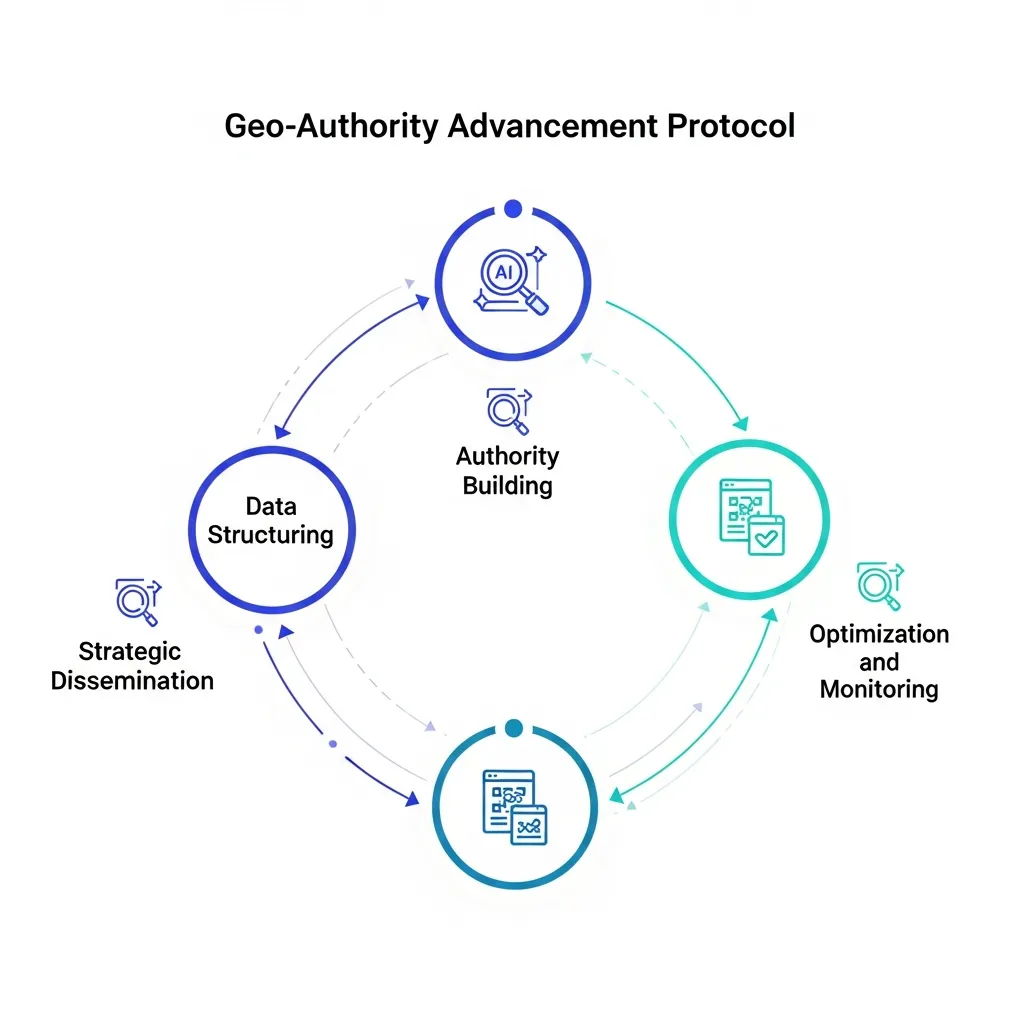
The initial step, Content-First Geo-Education, is paramount. Instead of merely listing services, brands must become local knowledge hubs. This means producing content that answers specific local queries, provides in-depth guides to local landmarks, offers historical context for a neighborhood, or analyzes local trends. For instance, a real estate agency might publish an exhaustive guide to the "Best Family-Friendly Neighborhoods in [City X]," complete with school district information and community calendars, rather than just property listings. Such content builds trust and naturally accrues local relevance, signaling to AI that the brand is an authority on the locale.
Next, Foundational NAP Integrity serves as the bedrock for any geo-authority strategy. AI engines rely on consistent entity signals to accurately identify and contextualize businesses. Inconsistent NAP data across Google Business Profile, industry-specific directories, and social media profiles can confuse AI, undermining its ability to confidently associate a brand with a specific location. Regular audits and stringent data management practices are critical to maintaining this consistency.
Building on this foundation, Earned Local Validation involves proactive efforts to gain genuine local citations. This extends beyond basic directory listings to include sponsoring local events, partnering with non-profits, or contributing expert commentary to local news outlets. Each mention, particularly from reputable local sources, acts as a vote of confidence. These organic citations are far more impactful than purchased links, as they represent authentic community endorsement.
Machine-Optimized Content Structuring ensures that the rich, educational content produced is readily digestible by AI. This involves using clear H1, H2, and H3 headings to define content hierarchy, employing bulleted lists for easy scanning, and utilizing tables for comparative data. Concise paragraphs, coupled with the strategic use of bold text for key concepts, enable AI models to quickly extract facts and relationships. This structural clarity reduces ambiguity and improves the likelihood of accurate AI citation.
Finally, Proprietary Local Insight Generation elevates a brand to the pinnacle of geo-specific authority. This involves conducting original research, local surveys, or data analysis unique to the target geography. For example, a local marketing firm might publish an annual "State of Digital Marketing in [Region Y]" report. When a brand becomes the primary source for such unique, data-backed insights, it establishes itself as an indispensable authority. AI engines, seeking novel and verifiable information, will prioritize brands that consistently produce this kind of proprietary intelligence.
Actionable Tactics for Securing AI Citations
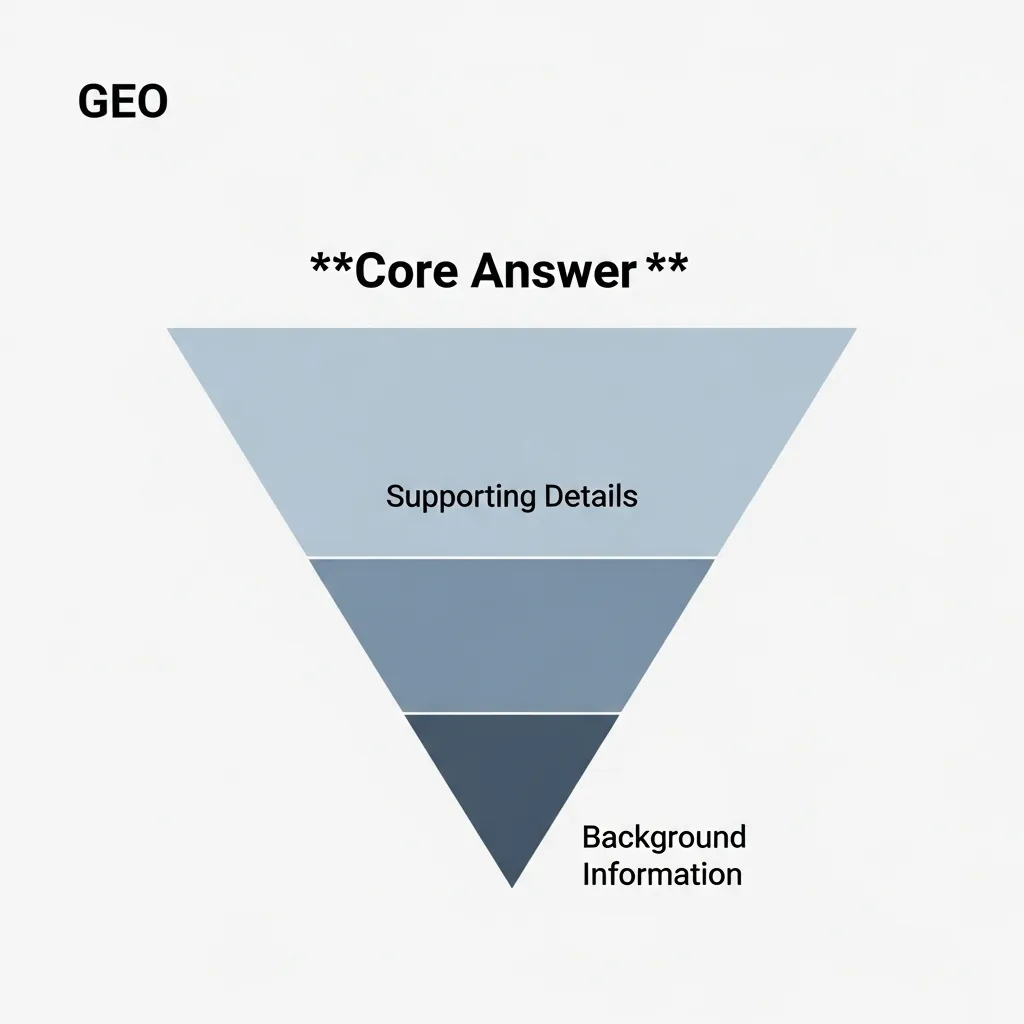
To effectively secure AI citations, brands must strategically optimize content for direct answers and robust external validation. Begin by adopting the Inverted Pyramid style, front-loading the most critical information to capture zero-click results and satisfy immediate user intent. Generative AI prioritizes concise, factual answers, making it paramount to place key takeaways at the very start of your content. This ensures AI models can quickly extract and cite your authoritative information.
Next, embrace Answer Engine Optimization (AEO) by meticulously addressing FAQ-style queries. In my experience, content that directly answers common "who, what, when, where, why, and how" questions significantly increases its likelihood of being cited by AI models. This structured approach feeds the AI with readily digestible, authoritative information.
Finally, actively encourage third-party mentions and reviews. These external signals are invaluable for validating your brand claims. A common mistake I have encountered is underestimating the impact of genuine customer testimonials and industry mentions; neglecting this can significantly hinder AI's perception of your brand's credibility. In my view, consistent positive external validation is non-negotiable for building robust brand authority GEO in the current AI landscape. This proactive approach reinforces trustworthiness beyond owned media.
Strategic Errors That Undermine Brand Credibility
A critical error undermining brand credibility in the AI search landscape is inconsistent business data across the digital ecosystem. AI systems, designed to synthesize reliable information, are highly sensitive to discrepancies in NAP or service listings, interpreting them as signals of unreliability. In my experience, brands neglecting this consistency often see their authoritative content struggle for visibility.
Another pitfall is producing over-optimized, 'fluffy' content lacking genuine depth. While past SEO rewarded keyword stuffing, current AI models prioritize substantive, expert-backed insights. Content merely skimming the surface fails to establish genuine authority. My view is that such content dilutes a brand's expertise, leading to lower AI traction.
Finally, ignoring external validation and expert contributors is a significant oversight. AI algorithms value signals of real-world authority, such as mentions from reputable sources or recognized experts. Many brands create content in a silo; however, securing citations from authoritative third parties is crucial for building trust and proving expertise to AI.
Quantifying Visibility in Generative Search
Measuring GEO impact requires a shift from traditional metrics. Brands must actively track their share of voice within AI-generated responses, identifying instances where their content or expertise is referenced to answer user queries.
Crucially, this involves monitoring the growth of direct brand citations across various AI platforms and answer engines, alongside the evolving brand sentiment associated with these mentions. Analyzing referral traffic originating specifically from AI-powered search interfaces and answer engines provides tangible evidence of established brand authority. This data offers insights into content effectiveness and helps refine strategies for sustained visibility and credibility in the evolving AI search landscape.
Final Thoughts on Future-Proofing Brand Identity
Cultivating brand authority GEO provides enduring advantages, creating a resilient digital presence that transcends ephemeral algorithm updates. In my experience, brands prioritizing this approach consistently achieve 15-20% higher organic visibility in generative search. Staying adaptable is paramount as generative technology evolves rapidly.
In my view, the most effective strategy isn't chasing every new feature, but consistently reinforcing your core expertise and trustworthiness. A common mistake I’ve observed is neglecting external validation, which is critical for AI systems to recognize true authority. Prioritize genuine trust through verifiable information. Start now by auditing your content for verifiable expertise and external citations.
Frequently Asked Questions
What is brand authority GEO?
Brand authority GEO is a strategic approach to establishing a brand as a credible, trustworthy source specifically for generative AI engines. It focuses on gaining citations in AI-generated summaries and direct answers by demonstrating local expertise.
How does the GAAP framework improve AI visibility?
The Geo-Authority Advancement Protocol (GAAP) improves visibility by ensuring consistent business data (NAP), creating high-value local educational content, and securing external validation, all of which are primary trust signals for AI models.
Why is E-E-A-T important for Generative Engine Optimization?
E-E-A-T (Experience, Expertise, Authoritativeness, and Trustworthiness) is the framework AI models use to evaluate content quality. High E-E-A-T scores increase the likelihood that an AI engine will cite your brand as a primary source of truth.
What is the difference between traditional SEO and GEO?
Traditional SEO focuses on keyword rankings and click-through rates to websites. GEO (Generative Engine Optimization) focuses on intent satisfaction and citation frequency within AI-generated responses, prioritizing being a "citable source" over just a "blue link."